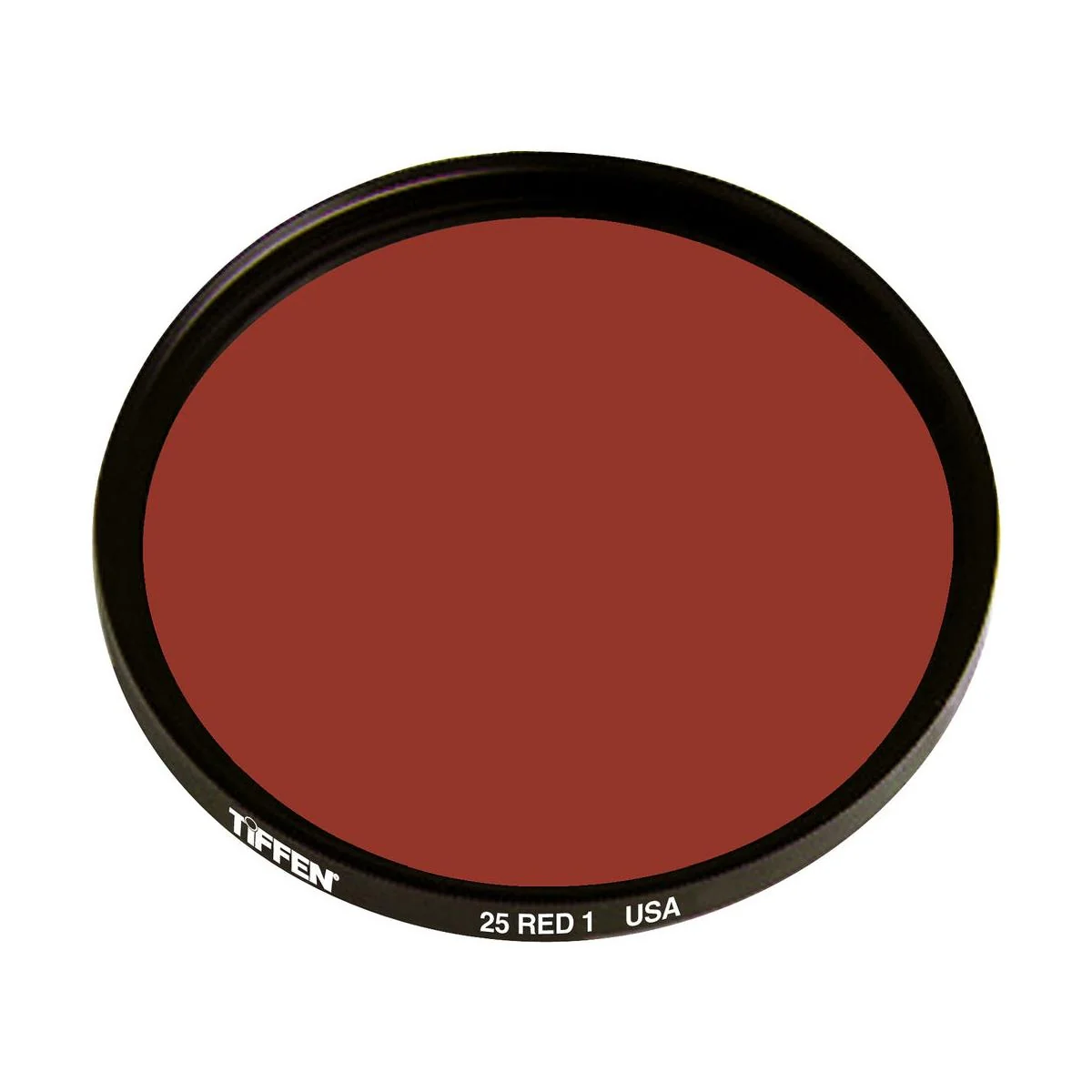
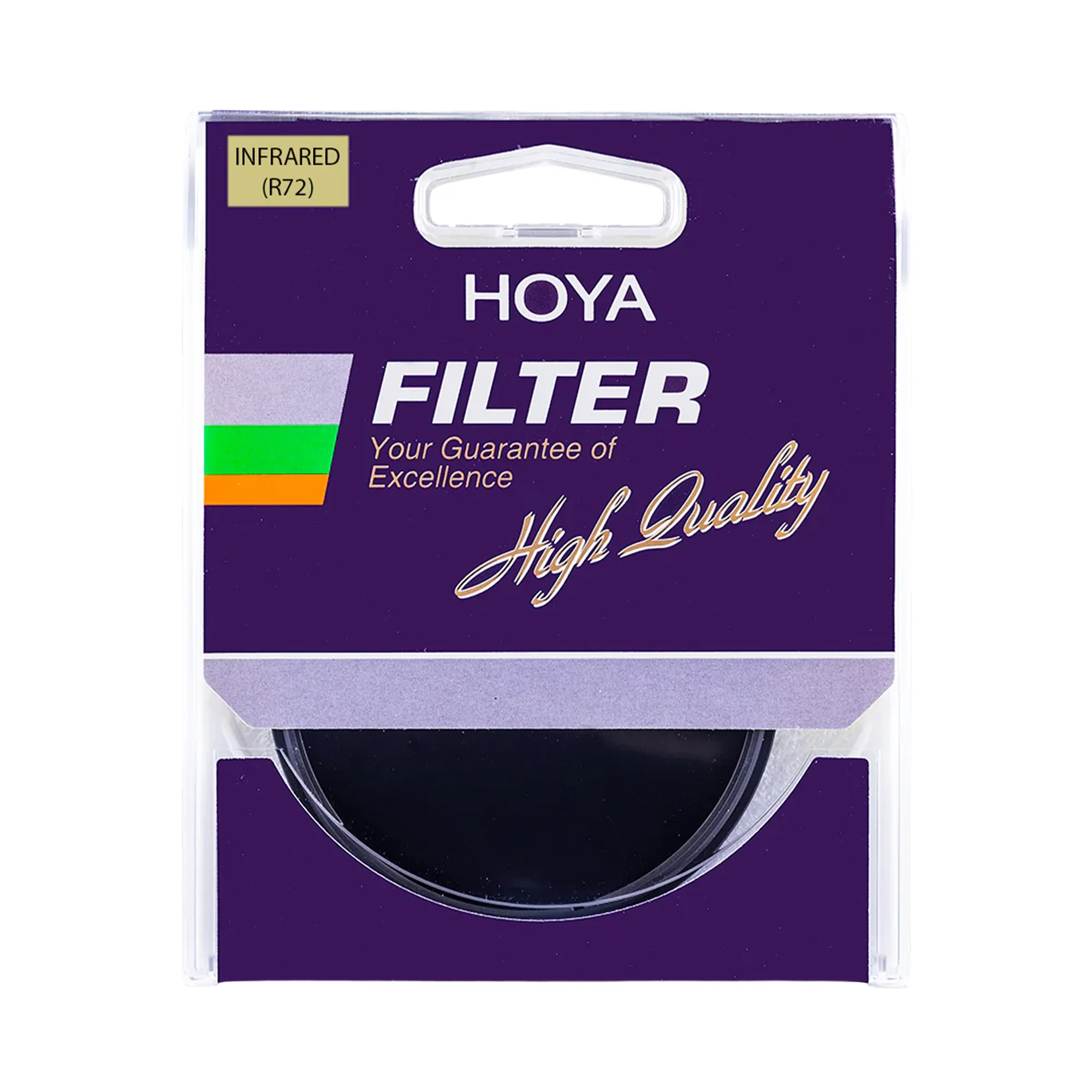
Hoya 67mm R72 Infrared Dark Red Filter
Hoya R72 Infrared Dark Red Filter
The Hoya R72 Infrared filter is specifically designed for infrared photography with digital cameras and infrared film.
Infrared light starts in the high-red area of the visible spectrum at around 750nm and goes up beyond 1000nm. This light is not visible to the naked eye. The R72 filter only allows light to pass through the lens from the very high red edge of the visible spectrum. Infrared photography yields different results because an object in a scene reflects infrared light differently than normal light.
Due to the nature of infrared light, filter factor and exposure compensation vary widely from visible light and depend largely on lighting conditions.
The R72 Infrared filter is useful:
- With digital cameras, especially mirrorless cameras or DSLRS with no IR blocking filter in front of the sensor. (Please check your camera's owners manual)
- Only passes light at 720nm (high-red) and above. Gives more predictable results than filters that only pass Infrared light above 850 or 900nm.
- Paired with colored black and white contrast filters such as the R25 (red), K2 (yellow), O (orange) or other color filters to change the color rendition or contrast effects.
Highlights:
- Blocks visible light up to 720nm (high-red)
- Provides more predictable results than filters that only pass Infrared light above 850 or 900nm
- Works great with infrared film and digital cameras modified for increased IR sensitivity
- Variable filter factor depending on ISO sensitivity and lighting conditions
- Use with colored black and white contrast filters for more creative color and contrast effects
Features:
- Specialty Filter Factor
- Hoya Optical Glass Type
- 0 Number of Multi-Coatings
- No Hardened Top Layer
- No Anti-Static
- Standard Profile / Aluminum Frame Construction
- Front Filter Threads
Size:
67mm
Materials:
Aluminum, Hoya Optical Glass
FAQs:
Why Shoot Infrared?
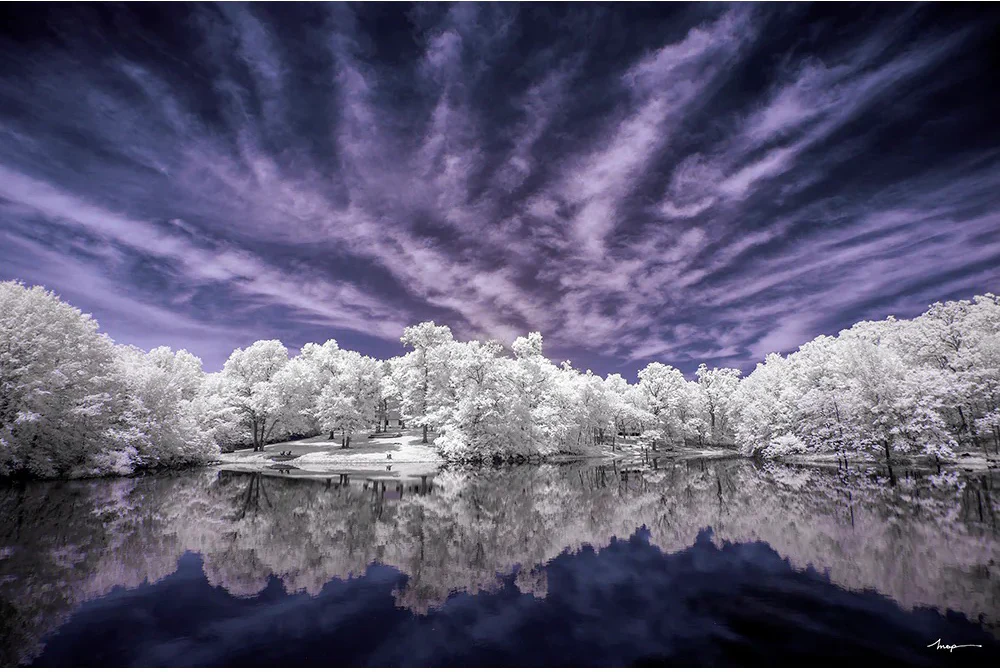
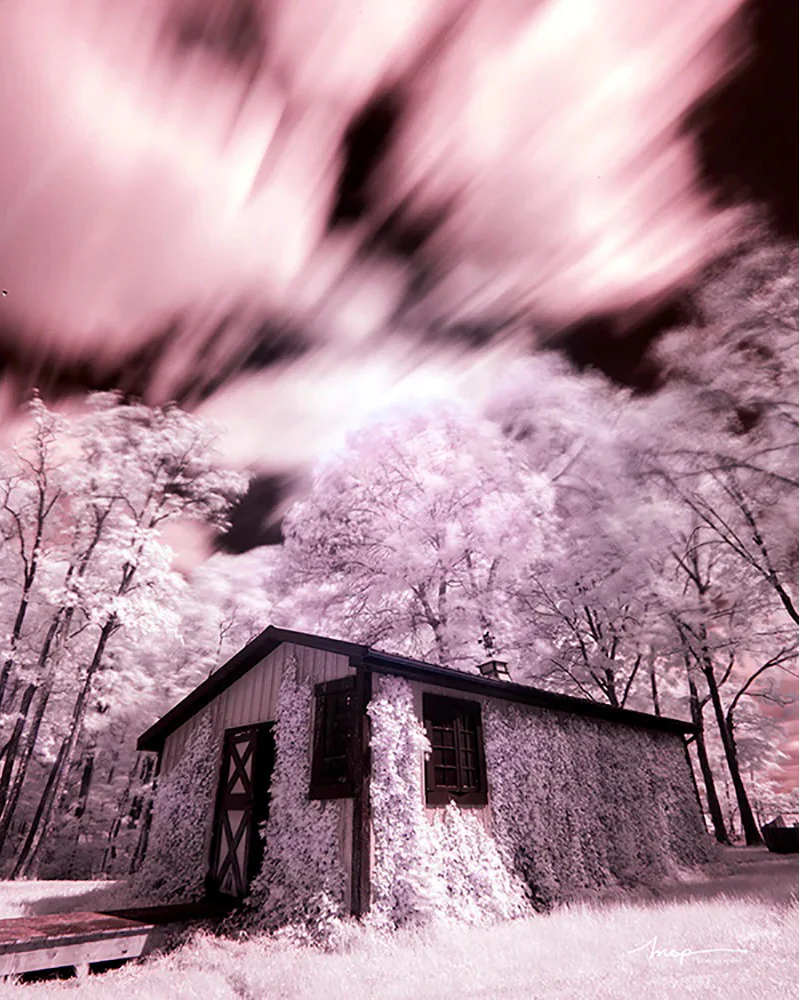
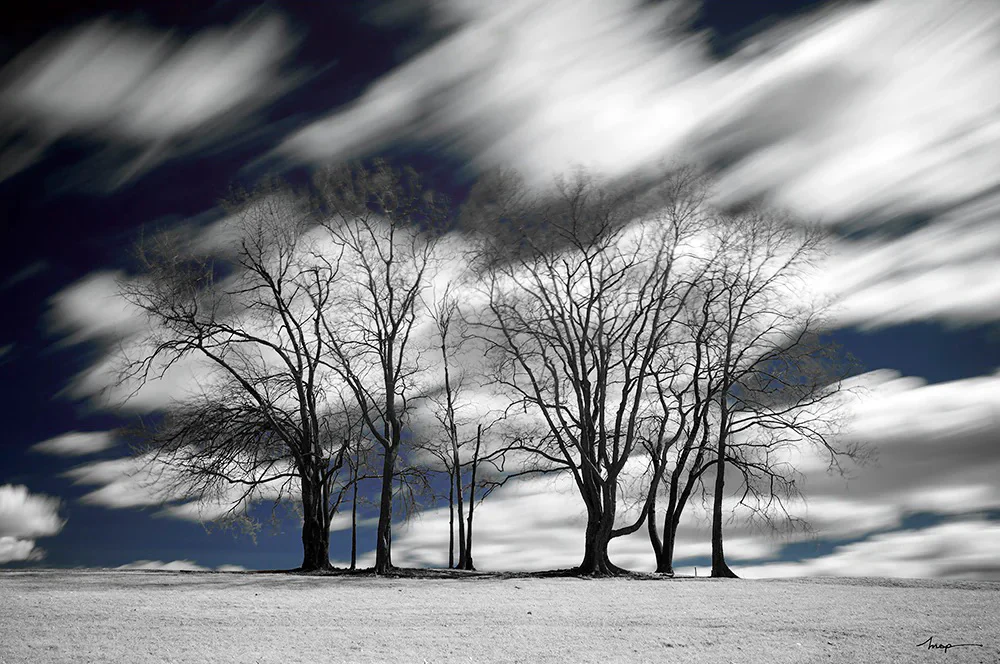
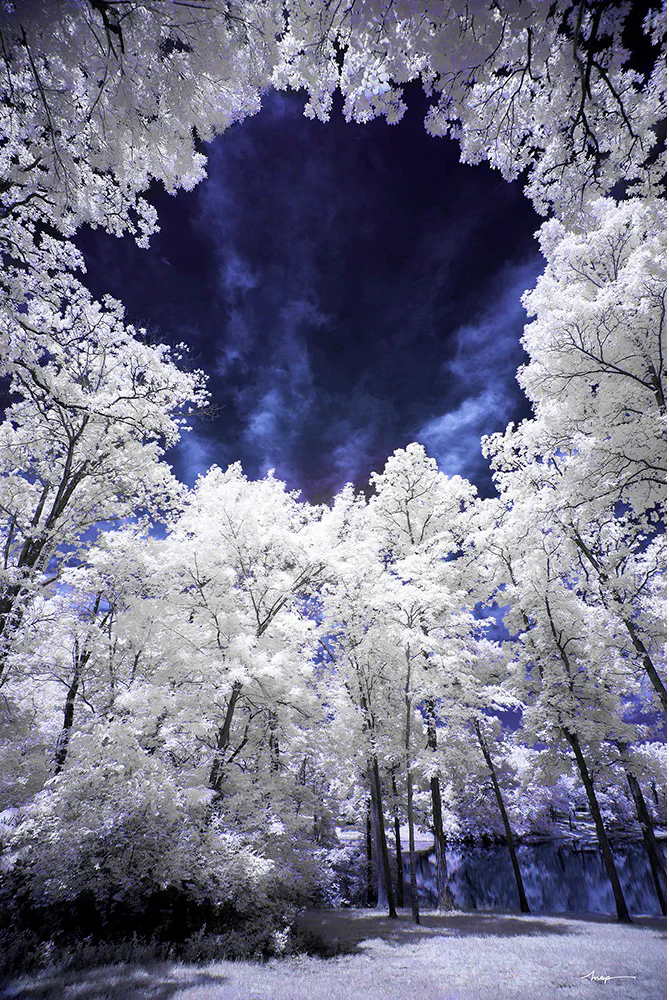
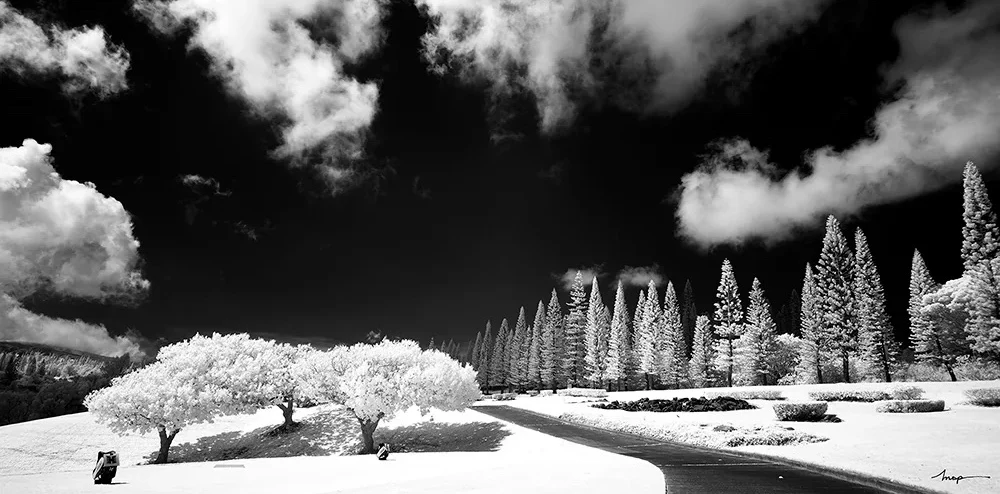
Infrared photography is uniquely stunning! This is due to a few reasons, three of which stand out foremost. First, infrared photography utilizes light that is invisible to us, but that our digital cameras can detect. Second, due to the way that IR light refracts within the cells of living plant matter, and then strongly reflects from it, IR photography allows you to capture an unrivaled glowing effect from foliage, leaves, grass, etc. (what is called the Wood Effect), which you can’t achieve through regular photography. Third, because of the way visible and IR light combine on the camera sensor, you can get very unique color/hue possibilities in your images.
How To: The Quick and Dirty
You can shoot IR photography in two basic ways: (1) with a standard camera and an IR filter, or (2) a converted camera and an IR filter. What is the difference? Every standard camera comes with an internal IR-blocker (i.e., “IR cut-off filter”) to make sure the pictures we take look like what we see. Since we only see visible light, the internal IR-blocker is needed to make sure the camera sensor isn’t “contaminated” by invisible IR light. But if you want to really utilize IR light to achieve all of the special effects it can produce, then you can remove that IR-blocker, and that is a converted camera.
Why would you want to do that?
Well, the key reason is that while you can take IR photographs with a standard camera, the IR-blockers in those cameras require you to shoot with long exposure times. If you are looking to do long exposures anyway, this isn’t a problem, but if you want to avoid the blur that accompanies most long exposures, then converting your camera is a good option. Both options have benefits.
For more info right click this link!
https://hoyafilterusa.com/blogs/news/digital-infrared-photography-what-to-shoot-for
Manufacturer SKU:
B-67RM72-GB
In The Box:
Hoya 67mm R72 Infrared Dark Red Filter
Plastic Filter Case
Limited 1-Year Manufacturer Warranty
Original: $90.90
-65%$90.90
$31.82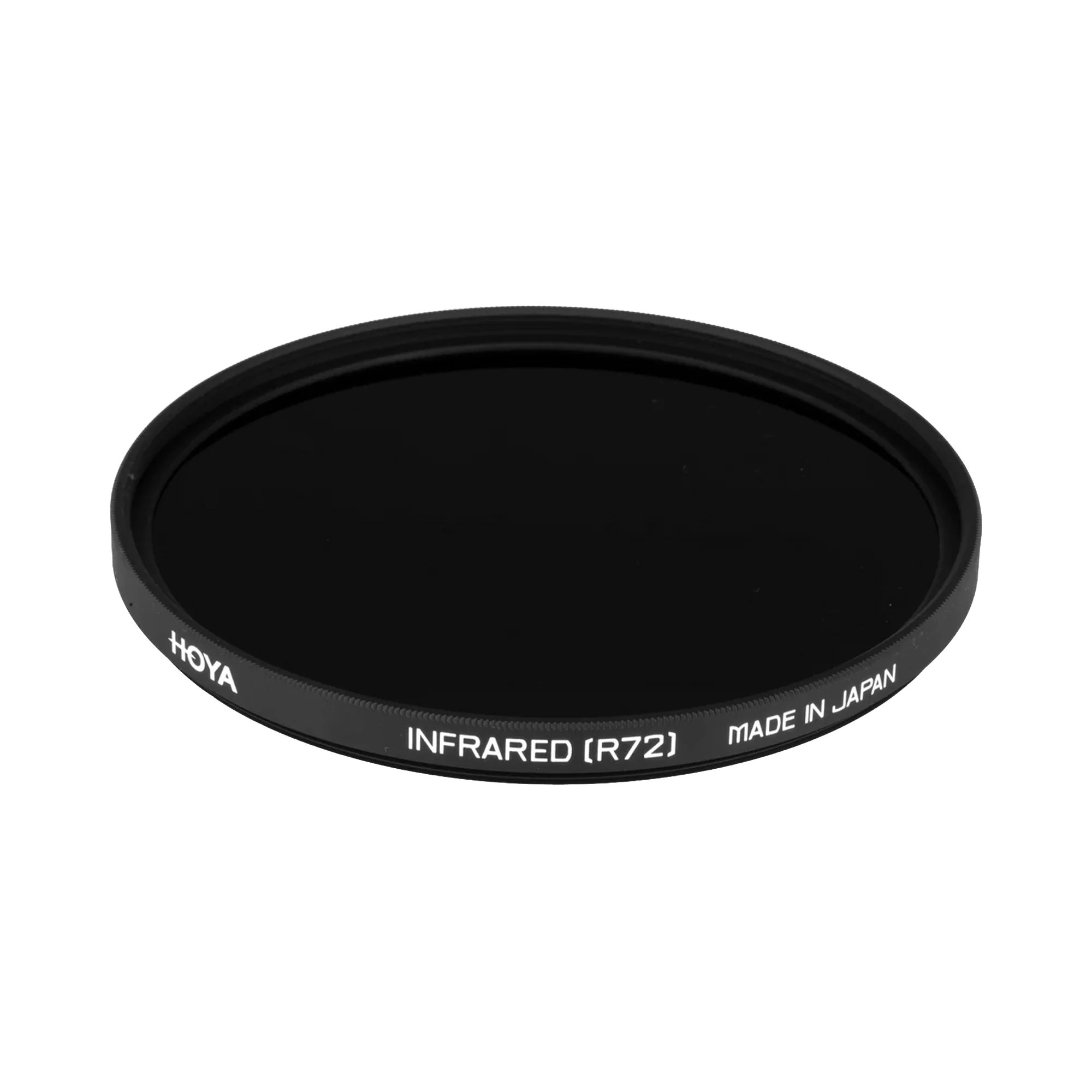
Description
Hoya R72 Infrared Dark Red Filter
The Hoya R72 Infrared filter is specifically designed for infrared photography with digital cameras and infrared film.
Infrared light starts in the high-red area of the visible spectrum at around 750nm and goes up beyond 1000nm. This light is not visible to the naked eye. The R72 filter only allows light to pass through the lens from the very high red edge of the visible spectrum. Infrared photography yields different results because an object in a scene reflects infrared light differently than normal light.
Due to the nature of infrared light, filter factor and exposure compensation vary widely from visible light and depend largely on lighting conditions.
The R72 Infrared filter is useful:
- With digital cameras, especially mirrorless cameras or DSLRS with no IR blocking filter in front of the sensor. (Please check your camera's owners manual)
- Only passes light at 720nm (high-red) and above. Gives more predictable results than filters that only pass Infrared light above 850 or 900nm.
- Paired with colored black and white contrast filters such as the R25 (red), K2 (yellow), O (orange) or other color filters to change the color rendition or contrast effects.
Highlights:
- Blocks visible light up to 720nm (high-red)
- Provides more predictable results than filters that only pass Infrared light above 850 or 900nm
- Works great with infrared film and digital cameras modified for increased IR sensitivity
- Variable filter factor depending on ISO sensitivity and lighting conditions
- Use with colored black and white contrast filters for more creative color and contrast effects
Features:
- Specialty Filter Factor
- Hoya Optical Glass Type
- 0 Number of Multi-Coatings
- No Hardened Top Layer
- No Anti-Static
- Standard Profile / Aluminum Frame Construction
- Front Filter Threads
Size:
67mm
Materials:
Aluminum, Hoya Optical Glass
FAQs:
Why Shoot Infrared?
Infrared photography is uniquely stunning! This is due to a few reasons, three of which stand out foremost. First, infrared photography utilizes light that is invisible to us, but that our digital cameras can detect. Second, due to the way that IR light refracts within the cells of living plant matter, and then strongly reflects from it, IR photography allows you to capture an unrivaled glowing effect from foliage, leaves, grass, etc. (what is called the Wood Effect), which you can’t achieve through regular photography. Third, because of the way visible and IR light combine on the camera sensor, you can get very unique color/hue possibilities in your images.
How To: The Quick and Dirty
You can shoot IR photography in two basic ways: (1) with a standard camera and an IR filter, or (2) a converted camera and an IR filter. What is the difference? Every standard camera comes with an internal IR-blocker (i.e., “IR cut-off filter”) to make sure the pictures we take look like what we see. Since we only see visible light, the internal IR-blocker is needed to make sure the camera sensor isn’t “contaminated” by invisible IR light. But if you want to really utilize IR light to achieve all of the special effects it can produce, then you can remove that IR-blocker, and that is a converted camera.
Why would you want to do that?
Well, the key reason is that while you can take IR photographs with a standard camera, the IR-blockers in those cameras require you to shoot with long exposure times. If you are looking to do long exposures anyway, this isn’t a problem, but if you want to avoid the blur that accompanies most long exposures, then converting your camera is a good option. Both options have benefits.
For more info right click this link!
https://hoyafilterusa.com/blogs/news/digital-infrared-photography-what-to-shoot-for
Manufacturer SKU:
B-67RM72-GB
In The Box:
Hoya 67mm R72 Infrared Dark Red Filter
Plastic Filter Case
Limited 1-Year Manufacturer Warranty